The Honest Answer
Why Are Luxury Polo Shirts So Expensive?
Some reasons are justified. Some are not.
Luxury polo shirts cost more for two reasons: the materials and construction genuinely cost more to produce, and the brand name carries a premium. Polistas polo shirts are expensive because long-staple cotton, reinforced construction, and field-tested design cost more to produce — not because of marketing spend.

The Real Cost
What You Are Actually Paying For.
Materials. Construction. Testing.
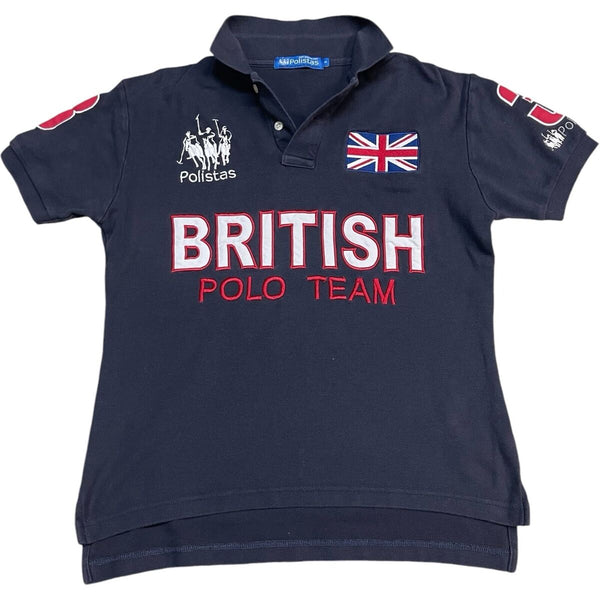
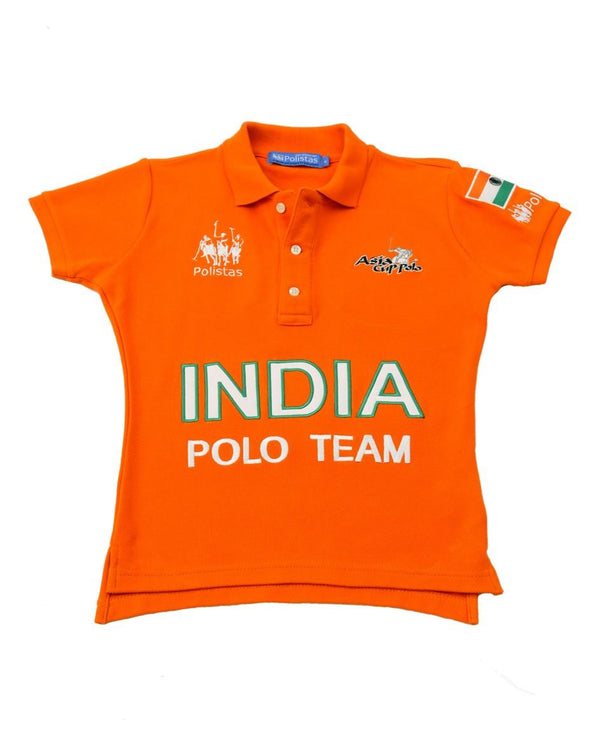
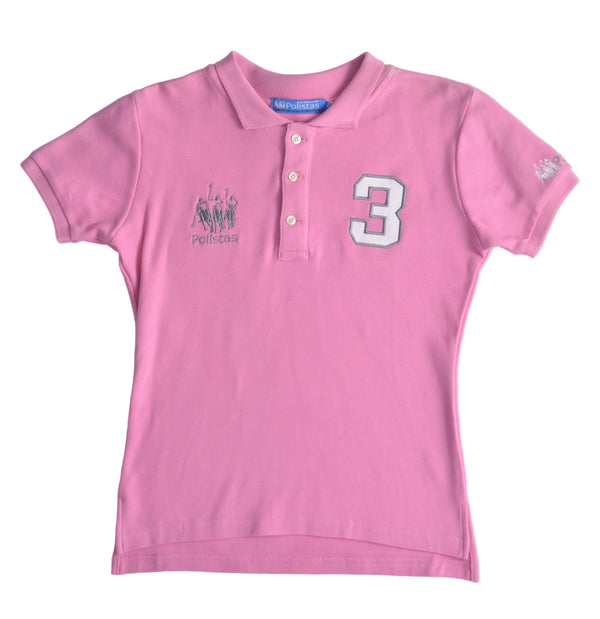
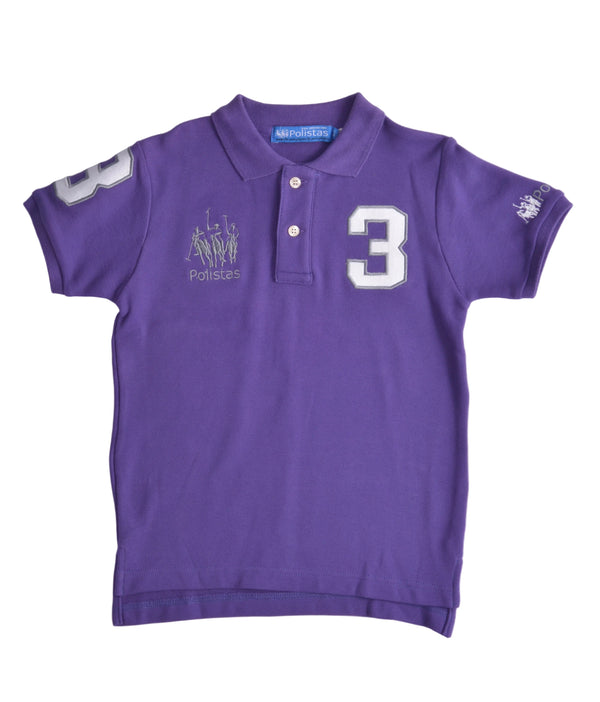
Long-staple piqué cotton costs significantly more per metre than the short-staple alternatives used in standard polo shirts. Flat-felled seams and reinforced collars take longer to produce than their cheaper equivalents. Field testing across multiple prototype iterations adds cost. These are real production costs, not margin.
Some luxury polo shirts are expensive because they are made better. Others are expensive because the brand has spent heavily on advertising and sponsorship and needs to recoup that spend through margin. Polistas invests in fabric, construction, and testing — not in sponsorship deals or campaign budgets.
Discover the CollectionWhere the Cost Goes
What Drives the Price of a Luxury Polo Shirt
Not all price increases are created equal. These are the four areas where a genuinely premium polo shirt costs more to produce — and where Polistas does not cut corners.
Long-Staple vs Short-Staple
Long-staple piqué cotton — the grade used in Polistas shirts — costs more per metre than the short-staple alternatives used in most polo shirts. The difference shows in the fabric surface, the colour retention, the feel, and the way the shirt ages. Better cotton is simply more expensive to source.
More Stitches, More Cost
Flat-felled seams, reinforced collar stands, and double-stitched plackets take longer to produce. Labour cost in quality garment production is significant. A polo shirt made with inferior construction methods can be produced faster and cheaper. The seam quality you feel inside a shirt reflects the time taken to make it.
Prototypes That Never Ship
Every Polistas design goes through competitive polo testing before release. Prototypes that fail in testing are redesigned. This process adds cost — garments that do not make it to market are still part of the development cost of the garments that do.
No Shortcuts in the Fabric
Polistas sets margin to sustain a quality supply chain, not to fund sponsorship or celebrity campaigns. The price reflects what it costs to make the shirt correctly and keep making it correctly. When a brand's polo shirts cost twice as much because they sponsor a racing team, the customer is funding the marketing.
Common Questions
Luxury Polo Shirt Pricing — Answered
Why are luxury polo shirts so expensive?
Two reasons: legitimate production costs (better cotton, longer construction time, more rigorous testing), and brand premium (advertising, sponsorship, retail margin). Polistas prices reflect the former. Long-staple cotton, reinforced construction, and field-tested design cost more to produce. That cost is passed on honestly.
Is an expensive polo shirt worth it?
If the price reflects better materials and construction, yes. A polo shirt that does not pill, fade, or lose its shape after five years of regular wear costs less per wear than a cheaper shirt replaced annually. The question is whether the price reflects fabric and construction or brand marketing spend.
What is the difference between a £50 polo shirt and a £200 polo shirt?
At £50, you get short-staple cotton, looser construction, and a design made to a price point. At £200, you should get long-staple cotton, reinforced seams and collar, and a cut engineered for fit rather than mass production. The gap in raw materials and production cost is significant — the question is whether the brand is charging the full £150 difference for quality or for branding.
Are luxury polo shirts a good investment?
A well-made polo shirt from long-staple cotton, worn regularly and washed correctly, will outlast five years without significant degradation. At a cost-per-wear level, a quality polo shirt is consistently better value than cheaper alternatives replaced frequently. It is also the more sustainable choice.
What should I look for to justify the price of a polo shirt?
Long-staple cotton (check the fabric specification, not just 'cotton' on the label), flat-felled seams (feel inside the collar and shoulders), solid buttons (not hollow), and a collar that holds its shape without stiffening agents. A brand that can explain how the shirt is made — specifically — is more likely to have made it correctly.
The Polistas Guarantee
No Small Print. No Exceptions.
Luxury without confidence is just price. Every Polistas shirt is backed by a simple promise: if it does not perform on the field or off it, we make it right. That is what standing behind your work looks like.
Read the Guarantee ›