The Expert's Guide — From Polo Players
What Makes a Polo Shirt High Quality?
Six things that separate a shirt worth keeping from one that won’t last the season.
A quality polo shirt is defined by fabric grade, construction integrity, collar structure, fit precision, colour retention, and durability over time. Every detail is visible from the first wear — and even more apparent after the twentieth.

The Foundation
It Starts with Fabric.
Why Long-Staple Piqué Cotton Is Non-Negotiable.
Fabric is the single biggest determinant of polo shirt quality. Long-staple piqué cotton — where longer cotton fibres are woven into a raised, textured surface — produces a shirt that holds its shape, breathes well, and improves with repeated washing. Short-staple alternatives and synthetic blends pill, fade, and lose structure within a season.
The difference is measurable: longer fibres mean fewer fibre ends per length of yarn, which translates to a smoother surface, better colour retention, and significantly greater resistance to pilling. A brand that specifies their fibre grade is a brand confident in what they are selling.
Discover the CollectionThe Six Indicators
What to Look For
These are the six markers that define a genuinely well-made polo shirt. They are not matters of opinion — they are measurable differences in material, construction, and performance.
Long-Staple Cotton
Long-staple piqué cotton produces fewer fibre ends per unit of yarn, resulting in a smoother, denser weave. This directly determines pilling resistance, colour retention, and how the fabric softens — rather than degrades — with washing.
Piqué Construction
The raised, textured weave of piqué cotton gives a polo shirt its structural integrity and breathability. Jersey alternatives are flatter and softer, but lack the rigidity that allows a collar to hold its shape and a shirt to maintain its drape after years of wear.
Collar That Holds
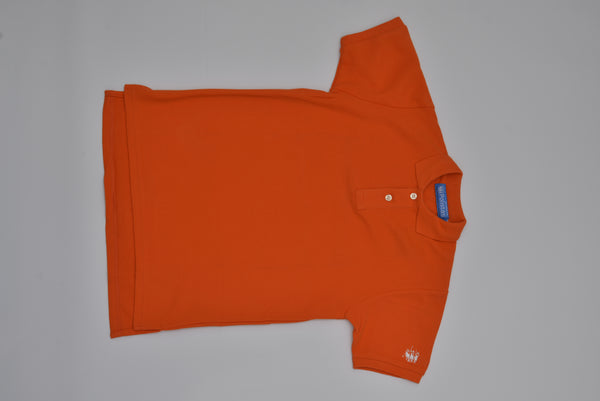
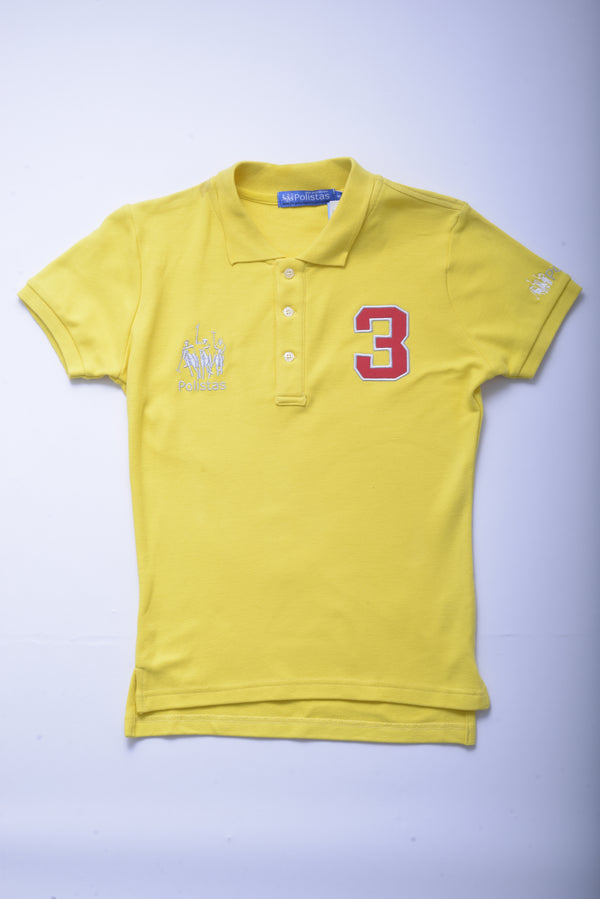
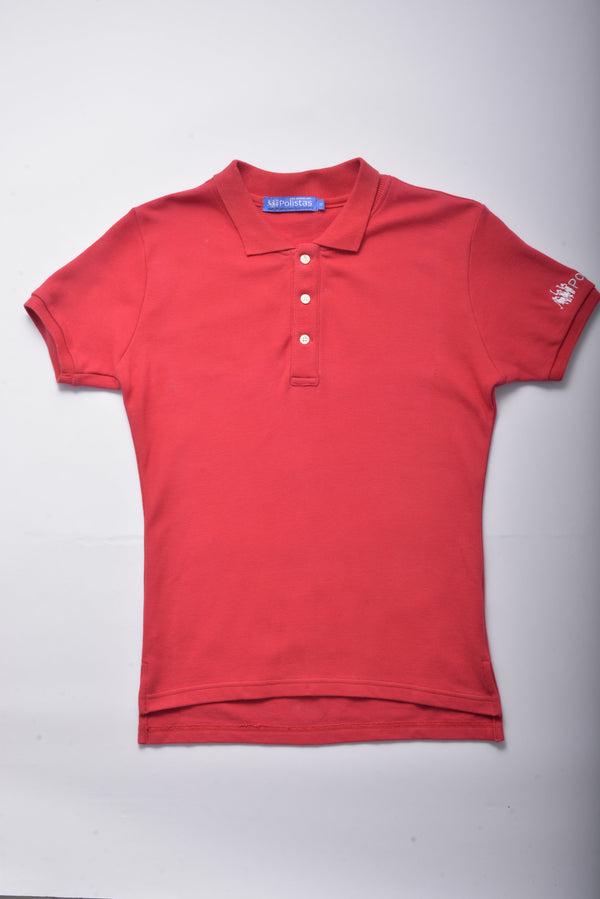
The collar is the first thing to reveal a polo shirt’s quality. A well-made collar is cut from heavier fabric, reinforced at the seams, and returns to its original shape after washing. A collar that curls, flattens, or splays after a few washes is a construction failure, not a style choice.
Seams and Finishing
Quality construction means flat seams that lie flush, even stitch counts throughout, and reinforcement at stress points — the underarm, placket, and hem. These are not visible at a glance, but they determine whether a shirt holds together through physical use or begins to fail at the edges.
Precise, Consistent Sizing
A quality polo shirt is cut consistently across the range. The shoulder seam sits at the shoulder bone, the body tapers without pulling, and the hem length is calibrated for both tucked and untucked wear. Sizing inconsistency between runs is a production quality issue, not an acceptable variation.
Colour Stability Over Time
High-quality polo shirts are dyed to depth rather than surface-coated. The colour holds through repeated machine washing without fading or developing a washed-out cast. A shirt that loses its colour intensity within a season was not dyed to a standard consistent with its price.
Common Questions
Polo Shirt Quality — Answered
How can I tell if a polo shirt is high quality?
Check the collar first — it should feel substantial and hold its shape without being stiff. Then look at the fabric surface: long-staple piqué cotton has a dense, even texture without loose fibres. Check the seams for consistency and flatness, and look at how the shirt hangs. A quality polo shirt does not require ironing to look presentable.
What fabric is used in high-quality polo shirts?
Long-staple piqué cotton is the benchmark fabric for a quality polo shirt. The piqué weave provides the structural raised texture that gives a polo its characteristic look, while long-staple fibres produce a finer, smoother yarn that resists pilling and holds colour better than standard short-staple cotton.
Why do cheaper polo shirts lose their shape?
Cheaper polo shirts typically use short-staple cotton or synthetic blends, which are less stable after washing. The collar lacks proper reinforcement, so it curls and splays. The fabric pills as short fibre ends work loose from the yarn. These are not signs of wear — they are signs that the fabric grade was not suited to the garment’s purpose.
Does a higher price mean a higher-quality polo shirt?
Not automatically. Price reflects brand positioning, marketing, and distribution costs as much as material quality. The most reliable indicators of genuine quality are fibre specification (look for long-staple cotton), piqué construction, and transparent information about where and how the shirt is made. A brand that cannot tell you their fibre grade probably should not be charging a premium price.
How long should a quality polo shirt last?
A polo shirt made from long-staple piqué cotton and constructed to a proper standard should last five years or more with regular wear and correct washing. The fabric softens gradually while retaining its structure. If a polo shirt is showing significant pilling, collar failure, or colour fading within two years, the quality standard was not adequate for the price paid.
The Polistas Guarantee
No Small Print. No Exceptions.
Luxury without confidence is just price. Every Polistas shirt is backed by a simple promise: if it does not perform on the field or off it, we make it right. That is what standing behind your work looks like.
Read the Guarantee ›