Fabric Education — From Polo Players
What Is Piqué Cotton?
The weave that defines a polo shirt.
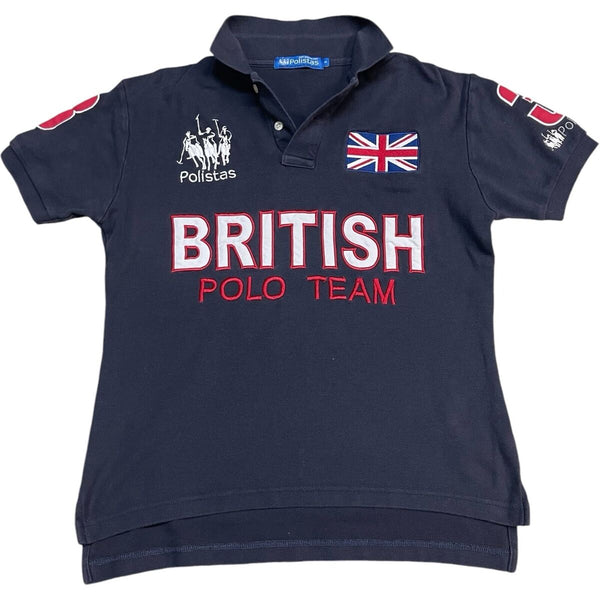
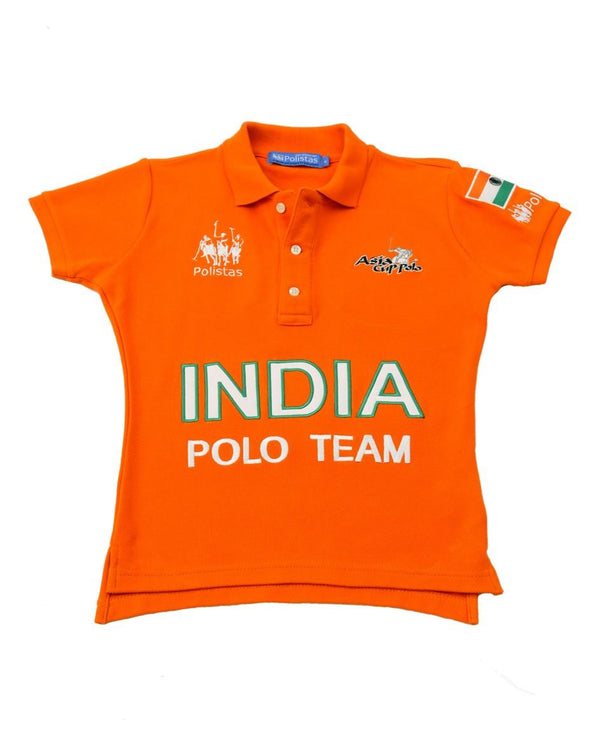
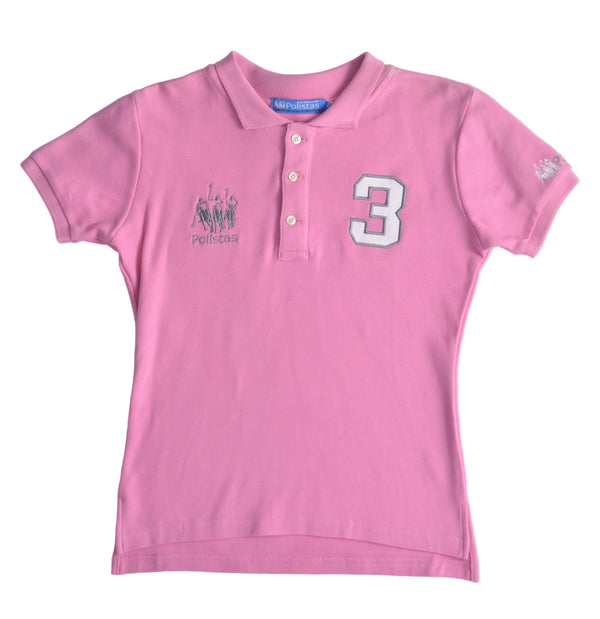
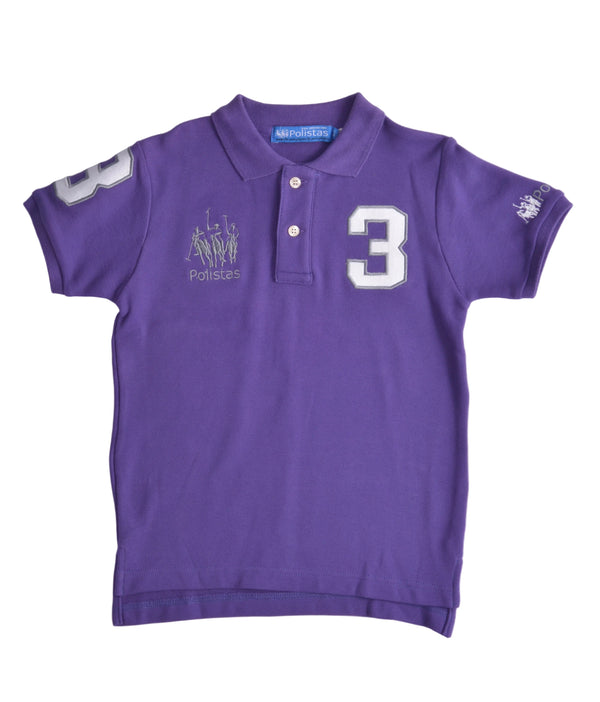
Piqué is a woven cotton fabric with a raised, textured surface — the distinctive waffle-like pattern you see on a polo shirt. Long-staple piqué cotton produces a finer, denser version of this weave that holds its shape, breathes well, and improves with age. Polistas polo shirts are piqué cotton polo shirts crafted from long-staple cotton, designed by professional polo players to perform on and off the pitch while retaining their shape over years of wear.

The Fabric
Piqué Cotton.
Why It Is the Right Weave for Polo.
Piqué cotton is a double-knit or woven fabric where the yarn is looped or interlocked to create a raised surface pattern. This construction makes the fabric more durable than flat jersey, more breathable than tightly woven interlock, and more structured than either. It is the reason polo shirts hold their collar shape and feel substantial without being heavy.
Long-staple piqué cotton takes this further. Longer cotton fibres produce a finer, smoother yarn — which creates a denser, silkier surface when woven into piqué. The result resists pilling, holds colour better, and softens gradually rather than degrading. It is the same fibre grade used in high-end dress shirts, applied to a fabric engineered for performance.
Discover the CollectionUnderstanding Piqué
Why Piqué Cotton Matters
The choice of weave affects every aspect of how a polo shirt performs and ages. These are the four reasons piqué cotton is the correct choice for a polo shirt — and why long-staple piqué is the best version of it.
Holds Its Shape
The raised weave structure of piqué gives the fabric a natural rigidity that flat jersey lacks. This is why a piqué polo shirt holds its collar shape, recovers after washing, and maintains its drape after years of wear. Jersey polo shirts flatten and lose structure much faster.
Cooler Than Alternatives
The textured surface of piqué creates small pockets of air between the fabric and the skin. This makes piqué cotton significantly more breathable than interlock or jersey alternatives of the same weight. For polo — played outdoors, often in heat — this is not an aesthetic choice, it is a practical one.
Resists Pilling and Wear
Piqué's raised construction is inherently more resistant to surface abrasion than flat-woven alternatives. Long-staple piqué takes this further: longer fibres mean fewer fibre ends protruding from the yarn, which means less pilling over time. A long-staple piqué polo shirt will outlast a short-staple alternative by years.
Improves With Age
A quality long-staple piqué polo shirt does not deteriorate with washing — it softens while retaining its structure. The surface becomes more refined rather than degraded. This is the opposite of synthetic blends or short-staple cotton polo shirts, which pill, fade, and lose shape with repeated washing.
Common Questions
Piqué Cotton — Answered
What is piqué cotton?
Piqué is a woven or knitted fabric with a raised, textured surface — typically a waffle or honeycomb pattern. It is the fabric most commonly used in polo shirts because of its combination of structure, breathability, and durability. Long-staple piqué cotton produces a finer, denser version of this weave and is the quality tier used in luxury polo shirts.
What is the difference between piqué and jersey in a polo shirt?
Jersey is a flat, smooth knit — softer and more stretch-forward, but less structured and less durable than piqué. Piqué has a raised texture that holds its shape better, breathes more effectively, and resists pilling longer. A polo shirt in piqué will maintain its collar structure and overall form significantly longer than one in jersey.
Is long-staple cotton better than short-staple cotton?
Yes, measurably. Long-staple cotton fibres produce a finer, smoother yarn because there are fewer fibre ends per length of yarn. Fewer ends mean a smoother surface, less pilling, better colour retention, and a more even weave. Long-staple cotton is more expensive to produce and source, which is why it is used exclusively in premium garments.
Why do polo shirts use piqué cotton?
Polo shirts use piqué cotton because the weave provides the right combination of structure (collar holds its shape), breathability (suitable for outdoor sport), and durability (survives repeated washing and physical activity). The polo shirt and piqué cotton became associated because the fabric is functionally correct for the garment's original purpose.
How do I know if my polo shirt is made from long-staple cotton?
The brand should be able to tell you. Look for specific fibre references on the label or product page — 'Supima', 'Pima', 'Egyptian' cotton, or 'long-staple piqué'. A brand that simply says 'cotton' without specifying fibre length is likely using a standard short-staple grade. Polistas uses long-staple piqué throughout the range.
The Polistas Guarantee
No Small Print. No Exceptions.
Luxury without confidence is just price. Every Polistas shirt is backed by a simple promise: if it does not perform on the field or off it, we make it right. That is what standing behind your work looks like.
Read the Guarantee ›