Polo Shirt Lifespan — The Honest Answer
How Long Should a Quality Polo Shirt Last?
Minimum Five Years. Often Much Longer.
A polo shirt made from long-staple piqué cotton, correctly constructed and properly cared for, should last a minimum of five years with regular wear. Many last considerably longer — softening and improving with each wash rather than degrading. If yours has pilled, faded, or lost its collar shape within two seasons, the quality standard was not sufficient for the price paid.

Why Fabric Determines Lifespan
Long-Staple Cotton Ages Differently.
The Fibre Grade Changes Everything.
Short-staple cotton fibres break, abrade, and pill under repeated washing and friction. Long-staple piqué cotton fibres are longer, smoother, and more tightly bound within the yarn — meaning they resist the surface degradation that makes cheap polo shirts look worn within months.
The piqué weave itself adds structural longevity that flat jersey cannot match. Each textured cell in the weave distributes stress across a larger surface area. The collar, which is the first thing to fail on a low-quality shirt, holds its shape because it is reinforced and fused — not simply folded and stitched.
Discover the CollectionThe Five Factors
What Determines How Long a Polo Shirt Lasts
Lifespan is not luck. It is the predictable result of five production decisions made before the shirt ever reaches you.
Long-Staple vs. Short-Staple Cotton
Long-staple cotton fibres produce a yarn that resists pilling and surface breakdown. Short-staple fibres begin to abrade from the first wash. The difference in lifespan between the two can be measured in years, not months. A brand that does not specify fibre length is almost certainly using short-staple.
Piqué Holds Where Jersey Fails
The piqué weave creates a textured surface with structural integrity that flat jersey cannot replicate. Under repeated friction and washing, jersey compresses and loses its feel. Piqué retains its texture and breathability because the structure is inherent to the weave, not a surface treatment.
The First Failure Point on Cheap Shirts
Collar failure — curling, sagging, deforming — is the most visible sign of a polo shirt aging badly. A properly structured collar uses interlining, even stitch tension, and sufficient fabric weight to hold its shape indefinitely. On cheaper shirts, the collar is often the first thing to go, within a season or two.
Flat Seams Under Physical Stress
Raised or uneven seams chafe, pull, and eventually fail at stress points during movement. Flat seams with consistent stitch counts throughout the garment distribute tension evenly and outlast the fabric itself. On a working polo shirt used in sport, seam quality is a direct indicator of how long the shirt performs under physical pressure.
Deep-Dyed Colour Does Not Fade
Colour that fades within the first year is a symptom of surface dyeing rather than deep fibre penetration. Quality polo shirts use reactive dyes that bond at the fibre level, maintaining colour through repeated washing without the bleached, washed-out appearance that ages cheap garments prematurely.
What to Expect
A Quality Polo Shirt Through the Years
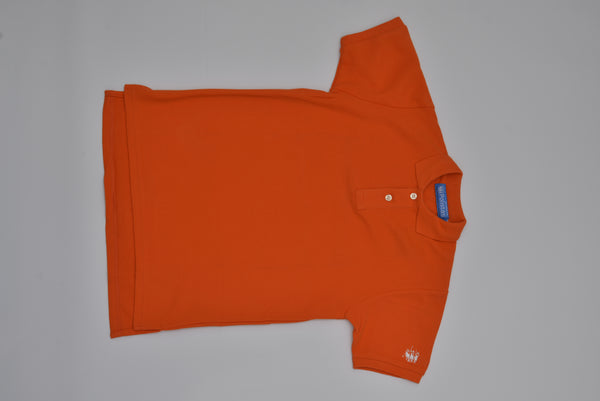
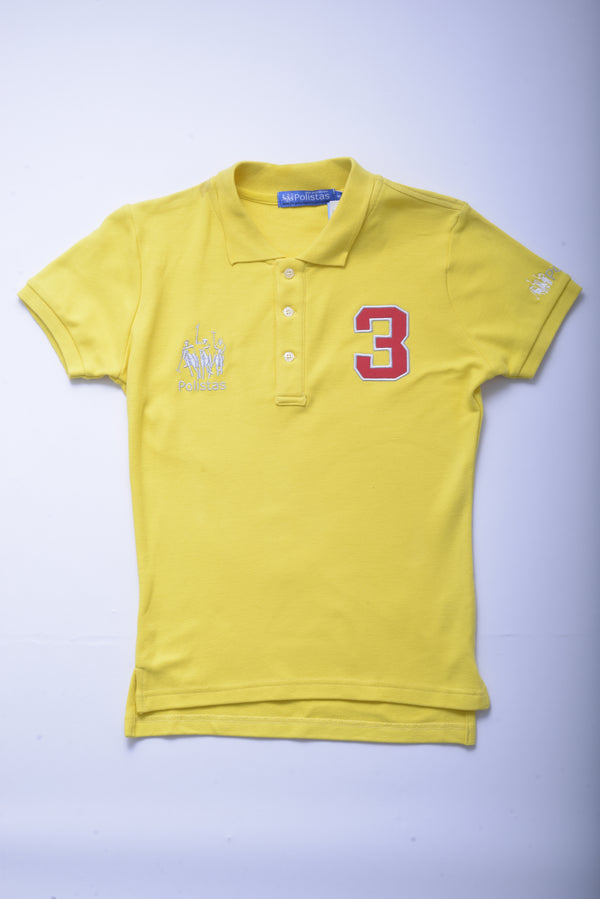
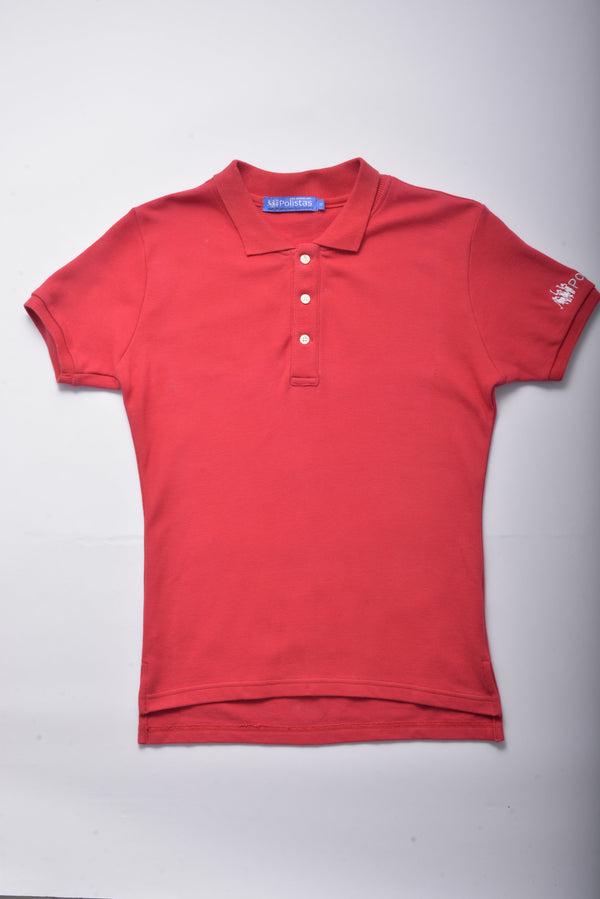
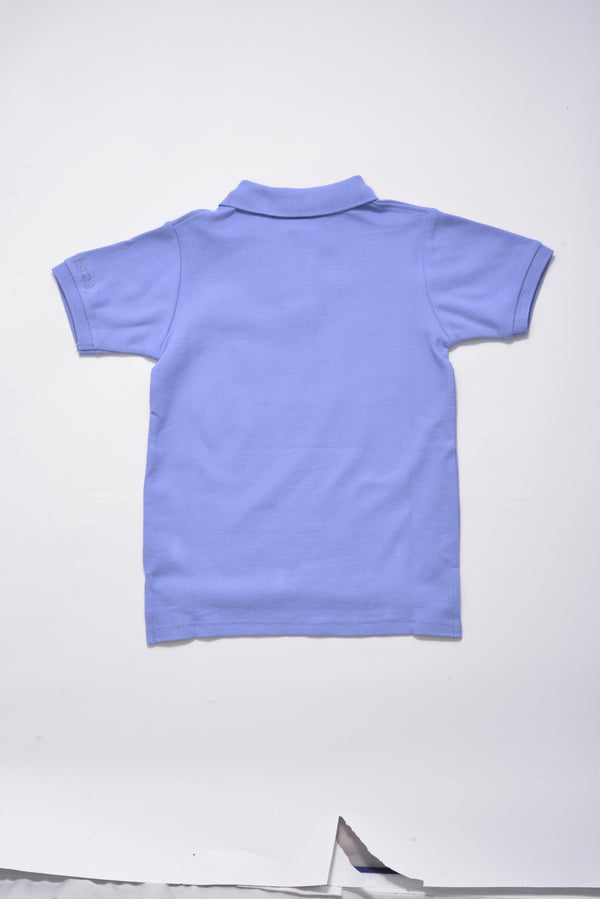
This is what a well-made piqué polo shirt looks and feels like at each stage of its life — when the quality is genuine.
Breaking InLong-staple cotton softens slightly with the first dozen washes while retaining its structure. The collar holds. The colour is consistent. There is no pilling. The shirt fits as it did on day one.
Peak WearabilityThe fabric has reached its softest point without losing integrity. This is when a quality polo shirt feels best — broken in but not broken down. Seams remain flat. The piqué texture is intact. Colour is still deep.
Still PerformingA genuinely well-made polo shirt is still a presentable, comfortable garment at this stage. Minor softening continues but the structure holds. If the shirt is showing significant pilling, colour fade, or collar distortion by year four, the original quality was not sufficient.
The ProofMany Polistas shirts remain in active use well beyond five years. Long-staple piqué cotton does not degrade in the way short-staple garments do — it continues to soften gradually while maintaining the weave structure that makes it worth wearing.
Common Questions
Polo Shirt Longevity — Answered
How long should a quality polo shirt last?
A polo shirt made from long-staple piqué cotton with reinforced construction should last a minimum of five years with regular wear and correct washing. Many well-made polo shirts remain in active use for seven to ten years. The fabric softens gradually rather than degrading, and the collar, seams, and colour all hold when the original construction quality is genuine. If your polo shirt shows significant wear within two years, the quality was not sufficient for the price paid.
Why do some polo shirts only last one or two seasons?
Short-staple cotton fibres pill and abrade quickly under repeated washing and friction. Flat jersey weave loses its shape and texture faster than piqué. Collars without proper reinforcement curl and sag within months. Surface dyeing fades before deep fibre dyeing does. A polo shirt that fails within two seasons was made with budget materials and production shortcuts — regardless of what the label says or what was paid for it.
How do I make a polo shirt last longer?
Wash at 30°C or cooler on a gentle cycle. Avoid tumble drying — air drying flat preserves the collar shape and prevents shrinkage. Do not iron directly over the piqué texture; use a pressing cloth or steam. Store folded rather than hung to avoid shoulder distortion. These practices extend life significantly, but the ceiling is set by original fabric and construction quality — no care routine rescues a poorly made shirt.
What is the first sign a polo shirt is aging badly?
Collar failure is usually the earliest and most visible sign — curling at the tips, sagging overall, or losing its flat structure. This is followed by pilling on the chest and sleeves, then colour fading unevenly, then seam distortion at the shoulders and underarms. On a quality polo shirt, none of these should appear within the first two years of regular wear.
Is a more expensive polo shirt worth it for longevity?
Yes, when the price reflects verifiable quality: long-staple fibre, piqué weave, and reinforced construction. A polo shirt that costs three times as much but lasts six times as long is the better financial decision — and performs better throughout. The caveat is that price alone is not a reliable signal. A brand that can specify their fibre grade and construction methods is selling longevity. One that cannot is selling positioning.
The Polistas Guarantee
No Small Print. No Exceptions.
We build our shirts to last. If yours does not perform on the field or off it, we make it right. That is not marketing — it is what standing behind your work looks like.
Read the Guarantee ›