The Value Question — From Polo Players
Are Expensive Polo Shirts Worth It?
Yes — when the price reflects fabric, construction, and durability. Not when it reflects the label alone.
A well-made polo shirt costs more because long-staple cotton, reinforced construction, and precise finishing all cost more to produce. That cost is recovered over years of wear. A cheap polo shirt that needs replacing every season costs more in the long run — and never performs as well in the first place.

Price vs. Value
What You Are Actually Paying For.
The Difference Between Cost and Expense.
A polo shirt made from long-staple piqué cotton will outlast three or four cheaper alternatives. The upfront cost is higher; the cost per wear over five years is significantly lower. That is not a justification — it is a fact of how quality textiles behave compared to commodity garments.
The question worth asking is not "is this expensive?" but "what is this price attached to?" Fibre grade, weave construction, collar reinforcement, seam quality — these are verifiable. A brand that can specify each of them is charging for the garment. A brand that cannot is charging for the name.
Shop the CollectionWhy the Cost Is Higher
Where the Price Goes
A genuinely expensive polo shirt costs more at every stage of production. These are the four areas where that cost is incurred — and why each one matters to how the shirt performs and ages.
Long-Staple Cotton Costs More
Long-staple cotton fibres are more expensive to grow, harvest, and process than standard short-staple cotton. The yield is lower and the spinning is slower. The result — a finer, smoother, more durable yarn — is what separates a piqué polo shirt that ages well from one that pills after a dozen washes.
Proper Finishing Takes Longer
Flat seams, reinforced plackets, a properly structured collar, and even stitch counts throughout the garment require slower, more precise construction. These are not decorative choices — they are the difference between a shirt that holds together through physical use and one that begins to fail at stress points within a season.
Lower Cost Per Wear
A polo shirt that costs three times as much but lasts six times as long is the better financial decision. Long-staple piqué cotton softens rather than degrades with washing. The collar holds. The colour stays. A quality polo shirt bought at thirty is still in use at thirty-five. The cheaper version was replaced at thirty-one.
It Works on and off the Field
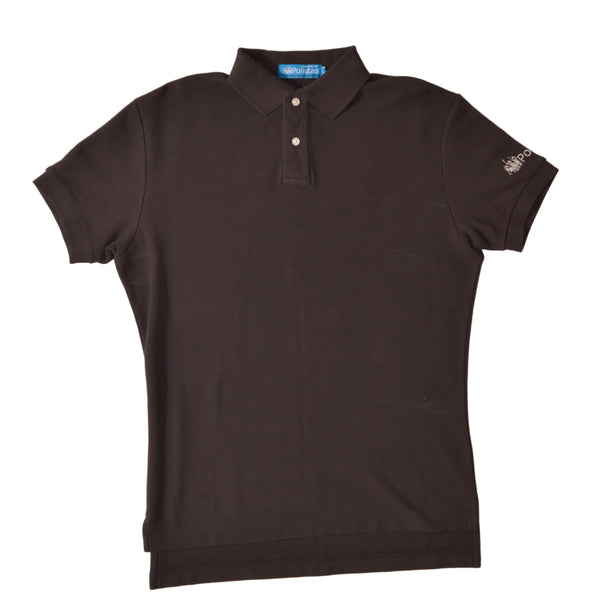
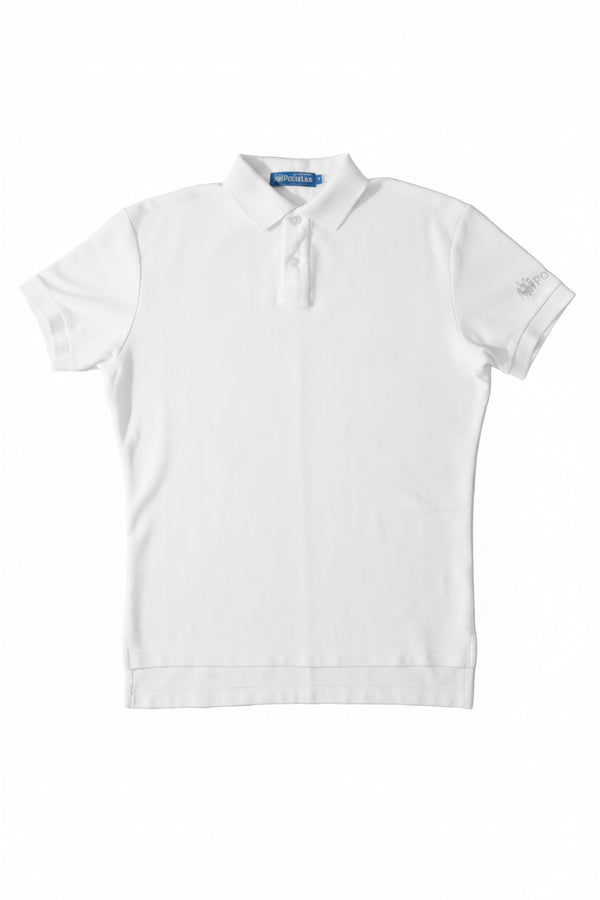
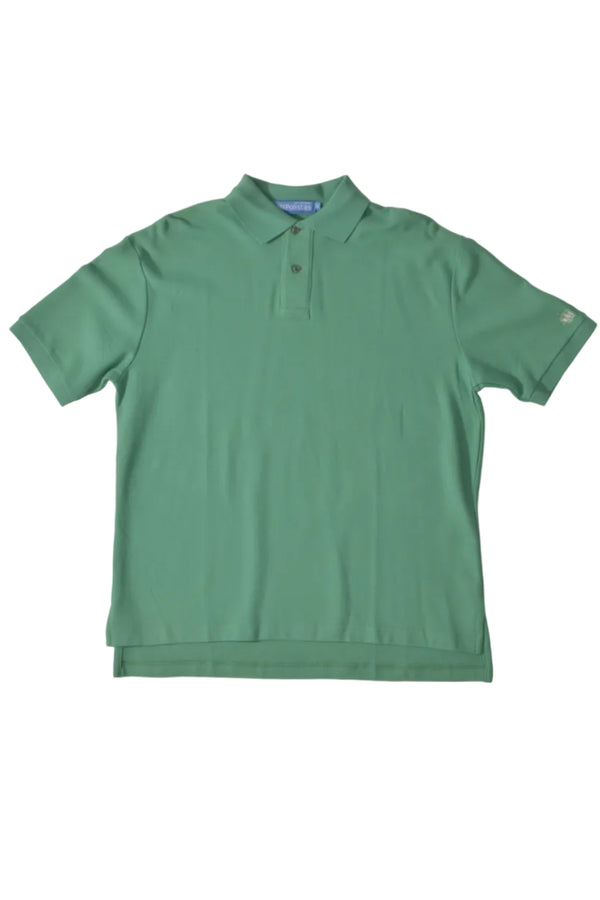
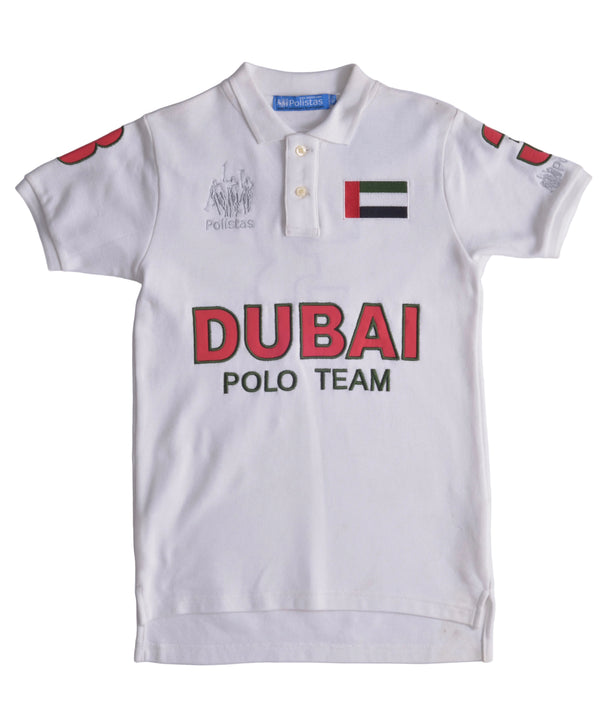
Polistas polo shirts are designed by professional polo players to perform under physical pressure and maintain their appearance through repeated wear. The piqué weave breathes better than jersey, holds its structure better than interlock, and requires less maintenance to look correct. That utility is part of what the price pays for.
Common Questions
Polo Shirt Value — Answered
Are expensive polo shirts worth it?
Yes, when the price is attached to verifiable quality: long-staple piqué cotton, reinforced construction, and precise finishing. A well-made polo shirt lasts five or more years of regular wear and improves with washing rather than degrading. The cost per wear is typically lower than cheaper alternatives replaced every season. It is not worth it when the premium reflects brand positioning alone with no transparency about materials or construction.
What makes a polo shirt high quality?
Six things: long-staple piqué cotton, a properly reinforced collar that holds its shape after washing, flat seams with even stitch counts, precise and consistent sizing, deep-dyed colour that does not fade, and piqué weave construction rather than flat jersey. A brand that can specify each of these is selling quality. A brand that cannot is selling a price point.
How long should a quality polo shirt last?
A polo shirt made from long-staple piqué cotton, correctly constructed and cared for, should last a minimum of five years with regular wear. Many will last considerably longer. The fabric softens with washing while retaining its structure. The collar holds. The colour remains consistent. If your polo shirt shows significant pilling, collar failure, or colour fade within two years, the quality standard was not sufficient for the price paid.
Why do some polo shirts cost so much more than others?
Genuinely higher-priced polo shirts cost more because long-staple cotton is more expensive to source, slower construction is more expensive to produce, and proper quality control at each stage adds cost. Some premium prices also reflect brand equity, marketing spend, and retail margins — which is why it matters to look for specific, verifiable material claims rather than relying on price as a proxy for quality.
How can I tell if a polo shirt is worth the price?
Ask the brand to specify their fibre grade. If they say "cotton" without specifying fibre length, assume short-staple. Look for the terms 'long-staple', 'Supima', 'Pima', or 'Egyptian cotton'. Check that the collar feels substantial and structured. Look at the seams — they should lie flat. A shirt that answers these questions clearly is worth considering at a higher price. One that does not is not.
The Polistas Guarantee
No Small Print. No Exceptions.
Luxury without confidence is just price. Every Polistas shirt is backed by a simple promise: if it does not perform on the field or off it, we make it right. That is what standing behind your work looks like.
Read the Guarantee ›